Category: Highlights

Figure

Infrared: the camera goes green

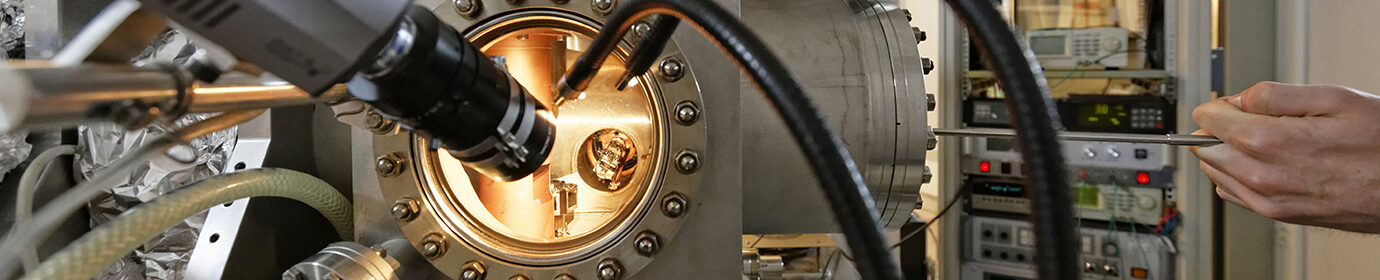
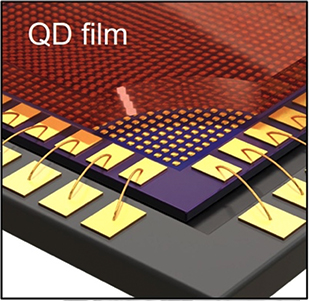
The great success of nanocrystals, which earned them the 2023 Nobel Prize in Chemistry, has been their integration as green and red light sources in displays. This first consumer application demonstrated that nanocrystals are...
Composite melting patterns

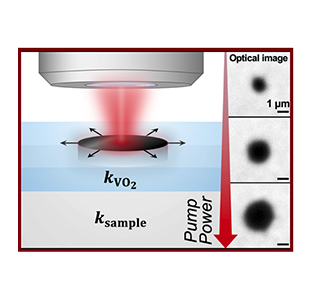
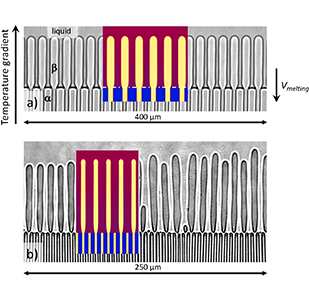
Melting—the transformation of a solid into a liquid upon heating—is the reverse of solidification. Yet, despite the apparent symmetry, melting and solidification give rise to markedly different pattern-forming phenomena. In recent years, melting of...

Perovskite nanoplatelets examined from every angle

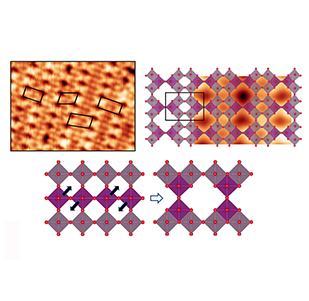
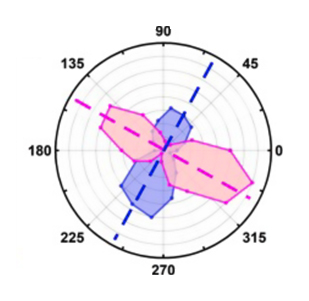
Colloidal nanocrystals of halide perovskites have attracted significant interest in optoelectronics due to their excellent optical properties, particularly their high quantum yields and the ability to tune their emission energies. The PHOCOS[1] team has...

Light-Arthropod Interactions

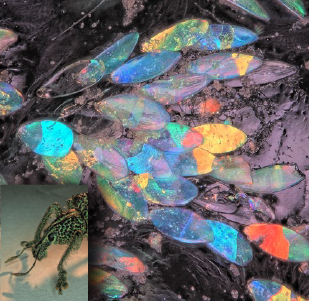
Arthropods species (insects, spiders, scorpions, etc.) account for nearly two-thirds of all living organisms on Earth. Present for hundreds of millions of years, they have adapted to absolutely every environment, especialy light environnements. From...

Schéma

Do THz acoustic waves propagate in glass?

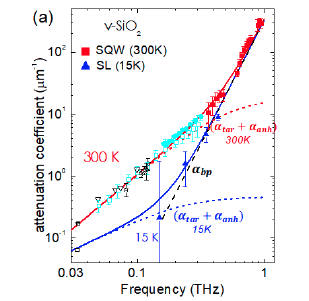
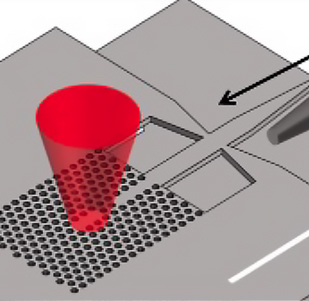
Glasses exhibit atypical thermomechanical properties that are very different from those of crystals. Many of these peculiarities are closely linked to the existence of the boson peak, an excess of vibrational states whose origin...

Schéma

Where’s the bias, then?

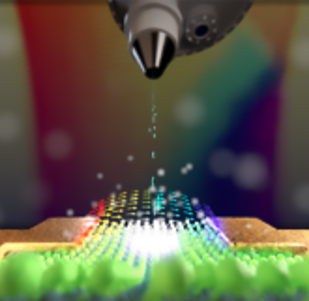
Optoelectronics is the field of material science where light–matter interaction is controlled with electronic tools, and the most preferred knob is bias. Semiconductors play a central role in this field. Here, researcher from INSP...